
How to choose a dog trainer in Southampton: What to look for.
Why it matters who you choose...

Dog training is an unregulated field in the UK. This means that anyone can call themselves a dog trainer and charge you money to work with your dog regardless of whether they have had any formal education in canine psychology. Despite what people may think, dog t
rainers are not simply born knowing how to communicate with dogs. Being a dog trainer requires extensive studying and education to fully understand learning theory, medical influences on behaviour, the ethology of dogs, hierarchy of needs and all of the science that drives behaviour. To put it into simple terms, I have had a toilet all my life but I am certainly not a plumber! Simply having owned dogs for a long time or worked with many dogs does not make someone a qualified dog trainer in Southampton or anywhere else for that matter.
Poor training methods can have devastating effects on a dog's confidence and long term behaviour, making both your dog's life and yours much harder. Jumping too quickly into training and failing to look holistically at the dog in front of you can mean important factors are ignored and welfare is compromised. The wrong approach can set a dog back months and introduce new problem behaviours that had never surfaced before.
If you are going to be parting with your hard earned money you want to be sure the person you are working with is educated to a high level and genuinely competent to help both you and your dog succeed. So here is what to look for when you are trying to find a dog trainer in Hampshire that you can truly trust.
Check Their Qualifications
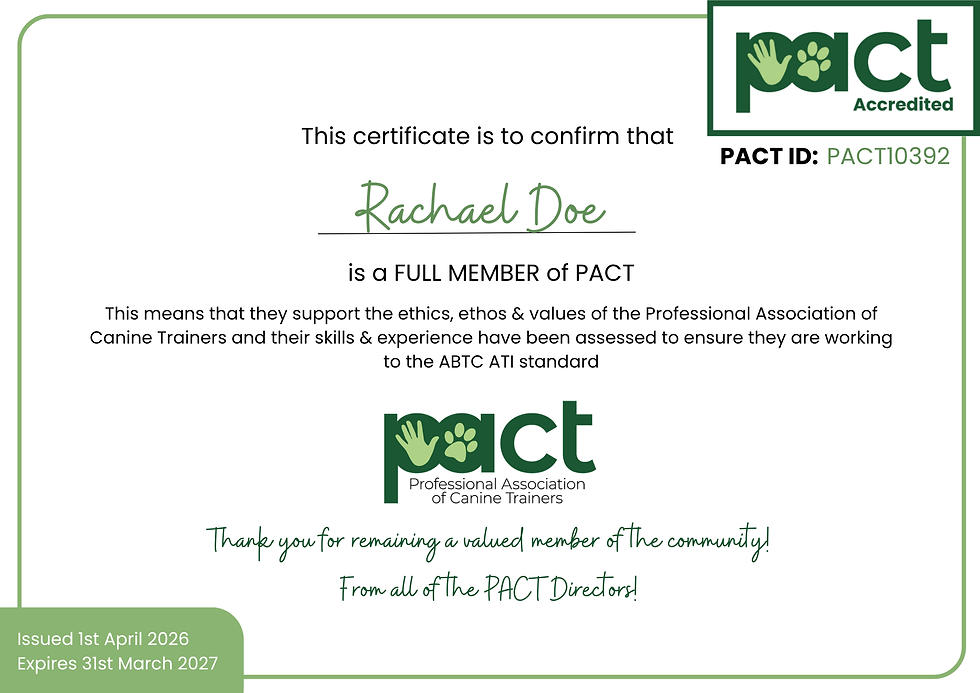
The first thing you should check before starting work with any trainer is their qualifications. The easiest way to do this is by looking on the Animal Behaviour and Training Council register. The ABTC sets and maintains the standards of knowledge and practical skills needed to be an animal trainer, training instructor or behaviour therapist and holds the national register of appropriately assessed practitioners.
For a trainer to appear on the ABTC register they must have undergone rigorous testing by an ABTC approved education provider, involving both theory and practical assessments to ensure they meet the required standards. Trainers on the register also pay an annual subscription and are required to provide evidence of continuous professional development, meaning they must keep their knowledge current and up to date with the latest scientific evidence on behaviour.
When looking for dog training classes in Southampton ask any trainer you consider what their formal qualifications are. If they cannot provide any and are not associated with a governing body then you have nowhere to go should you be unhappy with their service. Any trainer who holds professional qualifications will be proud to talk you through their accreditations and will have these clearly displayed on their website. Be sure to look up the education provider and confirm they are listed on the ABTC's register of practitioner organisations.
Ask About Their Methods
The industry has moved firmly towards reward based dog training in
Southampton and across the UK, which means we do not use pain, fear or intimidation to get dogs to do what we want. The latest science demonstrates clearly that positive reinforcement is the most effective method when it comes to behaviour change.
Any trainer using punishment such as verbal abuse, prong collars, choke chains, leash pops, physical pressure, water sprays, air compression cans, electric or vibration collars, or who talks about dominance when it comes to training your dog, is using outdated methodology and there is a real welfare concern for dogs being trained in this way.
Training a dog is not just about getting them to do what we want. It is about considering their reasoning, understanding why they are behaving the way they are and adapting our approach to influence them positively. When I think about how I like to be taught things, I certainly would not thrive under a boss who shouted at me or made me feel scared when I made a mistake. Force free training allows dogs the confidence to offer behaviours, maintain their personalities and genuinely enjoy working with their humans. I want dogs to want to work with their humans, not do it because they fear the or else.
Ask your trainer outright: what methods do you use in training? A good trainer will be glad you asked.
Visit a Class Before You Commit
If you are still undecided, ask whether you can come along and observe a session. Any reputable trainer would be absolutely delighted to let you watch a class before signing up. We have had plenty of new puppy parents come along to observe before committing to our full six week Puppy Life Skills course.

When observing, watch the dogs. Do they seem happy and engaged? Are they displaying normal, relaxed behaviour? Or do they seem worried, shut down or fearful? Look for frequent lip licking, tucked tails and ears back. Some dogs may show displacement behaviours such as obsessive sniffing or scratching. Then watch the trainer. Are they explaining things clearly? How do they handle a dog that is struggling? Do they simplify things or push a one size fits all approach? Are there assistants on hand to support the group?
Trust your instincts. If something feels off, it probably is.
Group Classes vs 1:1 Sessions
Dog training classes in Southamptonare a great option if you are looking for a fun environment where you can work around other dogs, build some socialisation and work through foundation training at an affordable price. They also give you the chance to connect with other dog owners and share the experience together.
If your dog has more specific behaviour issues, is reactive towards other dogs or you simply want tailored support then a 1:1 session is likely to be the better starting point. Many dogs benefit from a mixture of both and we often begin with 1:1s with the aim of introducing group classes further down the line once the foundations are in place. If you are unsure which is right for you, give your trainer a ring and ask what they recommend.
Questions to Ask Before You Book
Before committing to any trainer, here are some questions worth asking:

What qualifications do you hold?
What methods do you use in training?
How many dogs are in each class?
Can I come and watch a class before booking?
What happens if my dog struggles in class?
Do you offer any support between sessions?
About Goodall Dog Training
Rachael Doe is a PACT accredited ATI (Animal Training Instructor) listed on the ABTC register and one of the [best dog trainers in Southampton] and Hampshire. With seven years of experience and a current Level 5 qualification in Canine Behaviour underway, Rachael is committed to continuously developing her knowledge to provide the best possible support to dog owners across the region.
I became a dog trainer after struggling with my own dog's behaviour and finding myself wanting to understand the science behind it. From there I was hooked, and I began shadowing the wonderful Steve and Corrin Goodall who supported me no end on my journey. Having been through those struggles myself I understand the impact a difficult dog can have on your mental wellbeing, and I also understand the real constraints of everyday life when it comes to training. My goal is always to make training achievable, enjoyable and genuinely life changing for both you and your dog.
At Goodall Dog Training we run dog training classes in Southampton and surrounding areas including Hedge End, Eastleigh and Fareham, all from our beautiful enclosed venue at River Hamble Country Park. Our methods are entirely force free and we do not subscribe to any outdated dominance based theories.
If you are ready to find the best dog trainer in Hampshire and start your journey with us, click here to see our latest classes and get in touch!


Comments